


Timberland management is a long-term investment shaped by biological growth, market dynamics, and strategic decisions. One silviculture option, fertilization stands out as a key treatment with the potential to enhance productivity and financial returns. However, Dr. Bruno da Silva and fellow researchers from the Center for Forest Business found that fertilization outcomes are uncertain, and this uncertainty complicates decision-making for landowners and investors.
Archive for the ‘Research’ Category
12.10.2025
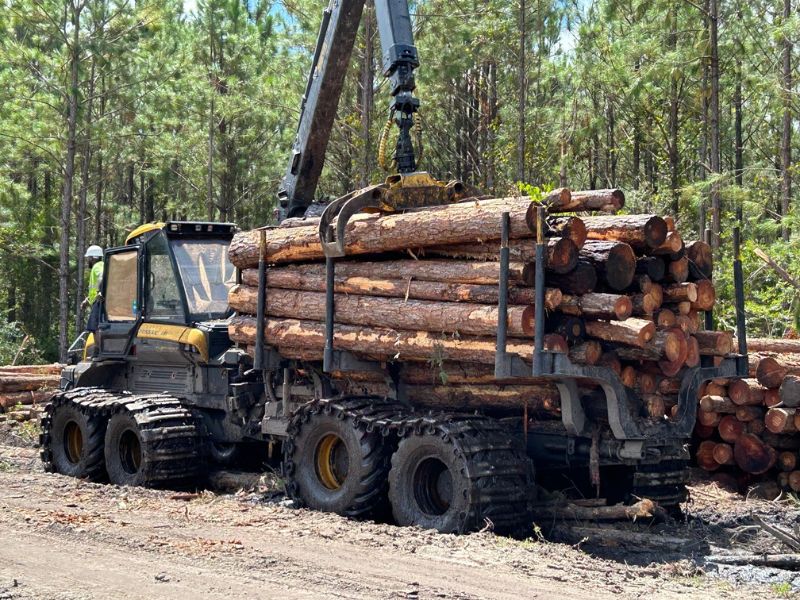
Cut-to-Length Harvesting: When it Works and What’s Holding It Back
A recent scientific review by Bolding et al. highlights the evolution of cut-to-length (CTL) harvesting systems and why their adoption outside Scandinavia remains limited. Despite advanced features including optimized bucking, GIS-based harvest planning and mapping, machine-to-machine communication, and LiDAR-assisted thinning, CTL faces hurdles in regions like the US South where full-tree systems dominate.

09.10.2025
The 2025 Georgia Timber Tax Credit FAQ is Available!
If you or your client’s timberland was impacted by Hurricane Helene, the 2025 Georgia Timber Tax Credit can offer some financial relief. Our new FAQ guide, authored by faculty at the University of Georgia’s Warnell School of Forestry and Natural Resources, breaks down eligibility, application steps, and how to claim or transfer the credit.
06.01.2025
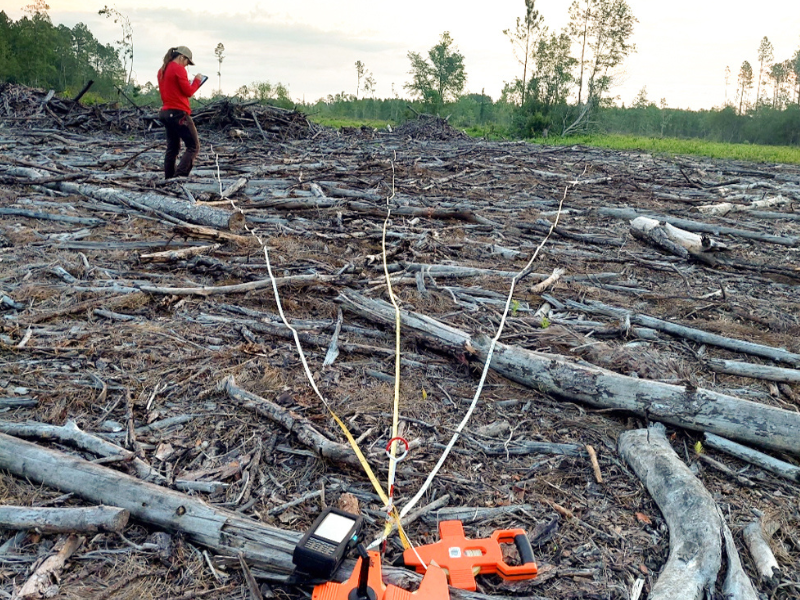
Is Wood Pellet Harvesting Sustainable? New Research Says Yes.
With the southeastern U.S. supplying over 80% of America’s wood pellets—most of which are exported to Europe—questions about the sustainability of pellet feedstock harvesting are more relevant than ever.
05.06.2025
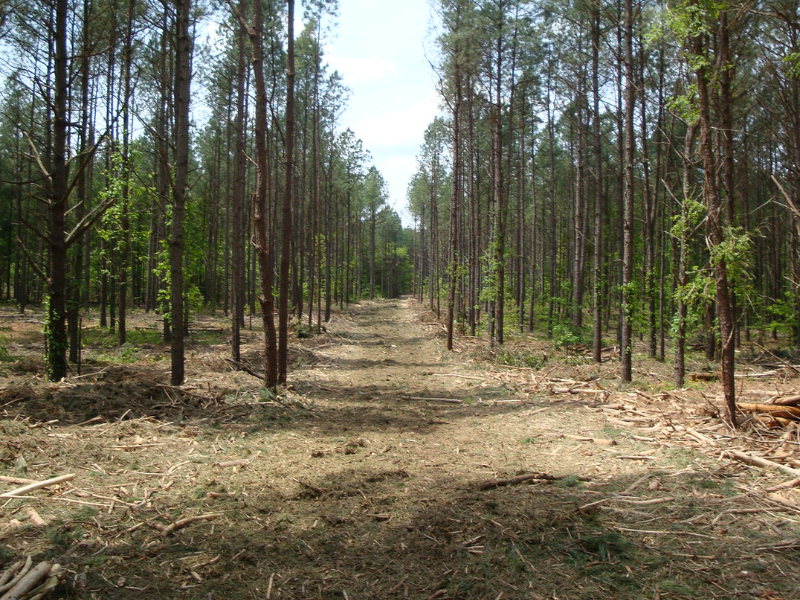
Evaluating the Environmental Impact of Pellet Feedstock Harvesting in the Southeastern U.S.
A new study by UGA researchers compared 67 harvest sites across the southeastern U.S. to evaluate whether wood pellet feedstock harvesting differs from conventional pulpwood operations in terms of soil disturbance, ground cover, and wildlife habitat.
04.23.2025
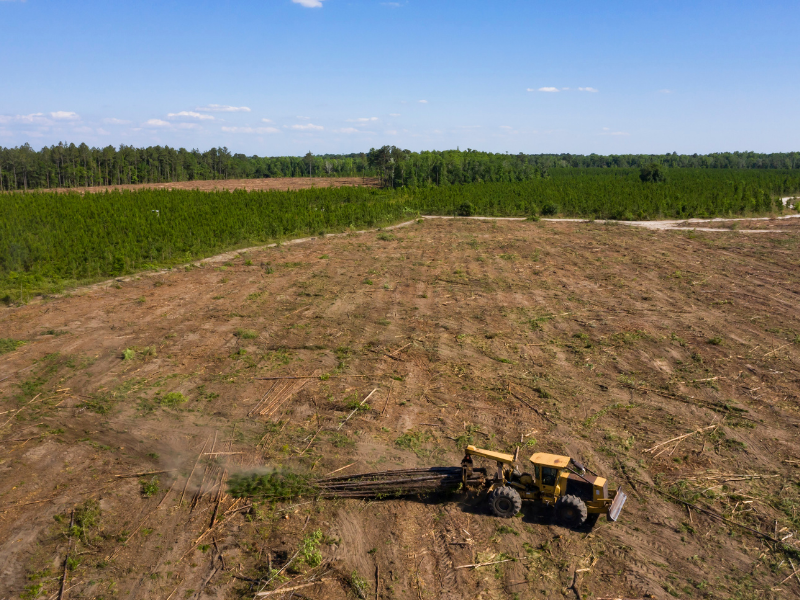
Smarter Forest Planning with Heuristic Optimization
Forest managers face a complex puzzle: how to schedule timber harvests that are profitable, sustainable, and legally compliant. Traditional planning methods can be slow and rigid, but threshold accepting, a powerful heuristic optimization technique, can be designed to generate high-quality harvest schedules quickly.

03.05.2025
Modernizing Machine Cost Estimation for Logging Equipment in the Southeast
If you’re in the forest industry, you’ve probably used—or at least heard of—the machine-rate method for estimating equipment costs. UGA researchers recently updated the costs for the first time in 20 years.

02.26.2025
Empowering Forest Carbon Decisions: What the Latest Research Means for the Forest Sector
Forests are increasingly recognized as vital players in the global climate solution. A recent study supported by Drs. Bronson Bullock and Stephen Kinane convened over 100 experts to identify the biggest gaps in forest carbon modeling.
01.12.2025
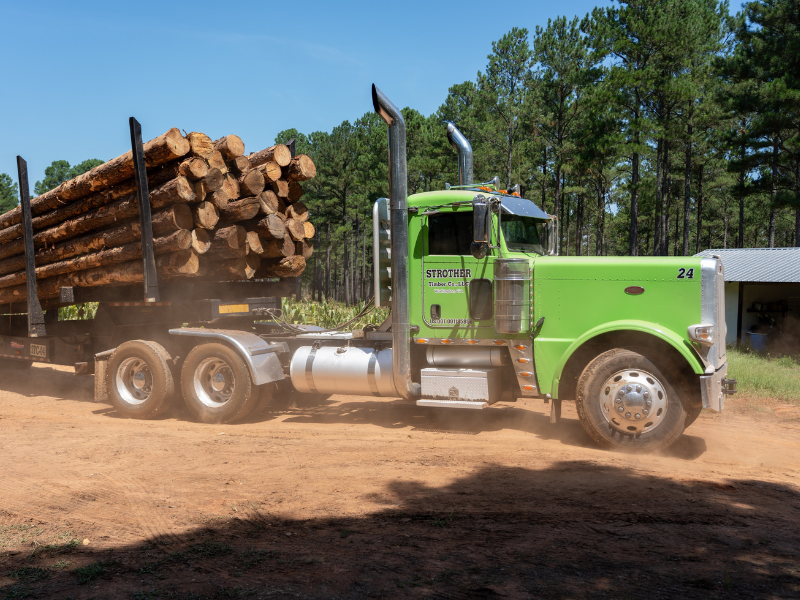
Log Trucking vs. General Freight: What the Forest Industry Needs to Know
The forest products industry in the US South relies heavily on log trucks to move raw timber from forests to mills. But how does this specialized sector compare to general freight trucking? A 2025 review by Jack Derochers, Joe Conrad, and researchers from UGA and the USDA Forest Service provides a comprehensive comparison.
12.23.2024
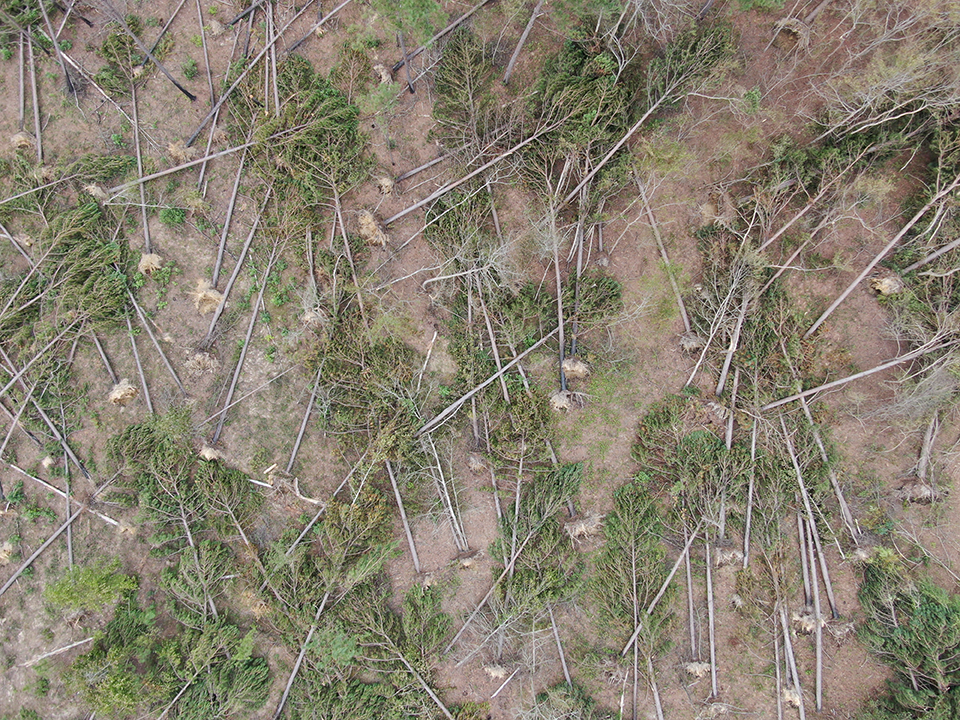
Standing Tall After the Storm: Collaborative Efforts Propel Georgia’s Forestry Recovery
In the wake of Hurricane Helene, sprawling forests that once stood as symbols of resilience and prosperity lay broken and quiet. Through a unified effort involving the University of Georgia’s Warnell School of Forestry and Natural Resources, the Georgia Forestry Commission (GFC), and UGA Cooperative Extension, the state’s forestry community is rallying to rebuild stronger than ever.
12.23.2024
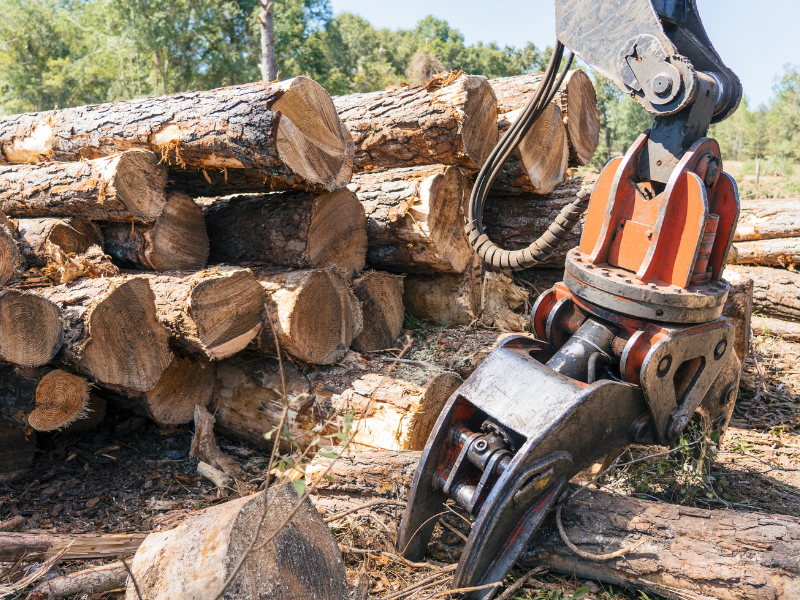
Understanding Price Dynamics Among Pine Products in the Southeast
The Southeastern U.S. timber market is a dynamic system where pine sawtimber (PST), chip-n-saw (CNS), and pulpwood (PP) prices interact in complex ways. A recent study by Misztal et al. (2024) used 40 years of TimberMart-South data to explore these relationships across 14 regions.
12.22.2024
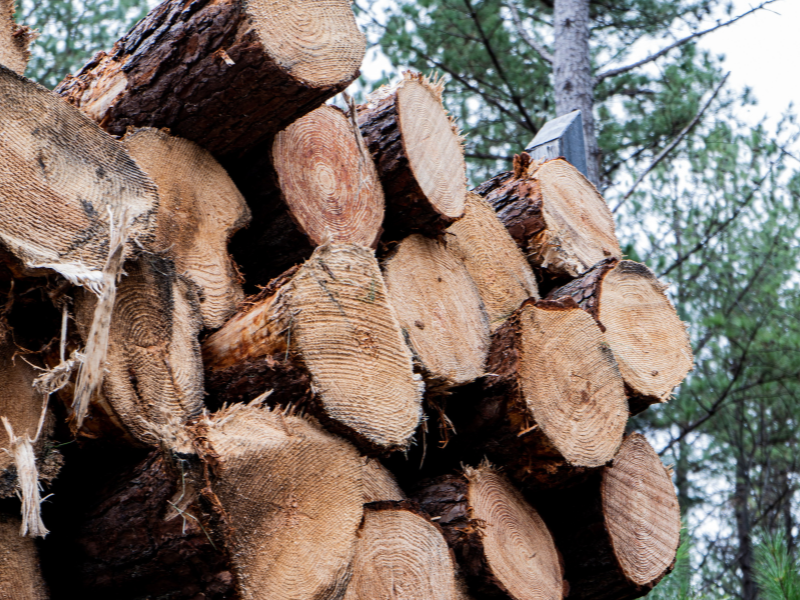
South Georgia timber prices plummet in Q3 2024; Impact of Hurricane Helene looms
In the third quarter of 2024, Georgia’s timber markets showed mixed trends. Stumpage prices for major timber products in South Georgia, except for hardwood pulpwood, fell from the last quarter. Pine sawtimber and pine chip-n-saw (CNS) prices in the region dropped significantly after three consecutive quarters of growth. Sawtimber prices in North Georgia continued to rise modestly.
12.17.2024
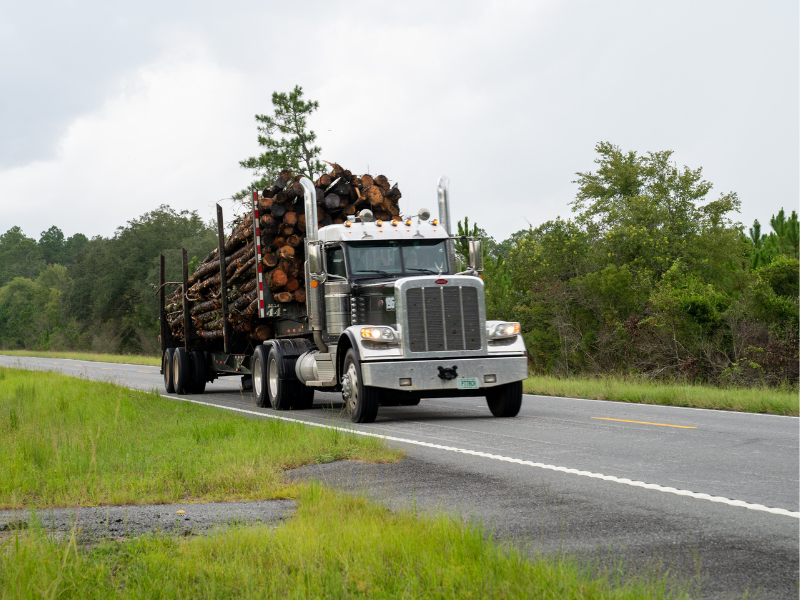
Rethinking Timber Truck Safety: What Georgia’s 95,000 lbs Permit Study Tells Us
A recent 2024 study by Joe Conrad and Chad Bolding analyzed the impact of a temporary increase in Georgia log truck haul weight permits, from to 84,000 lbs to 95,000 lbs, issued during the COVID-19 pandemic. The result? Heavier log trucks did not lead to more crashes or more severe incidents.
10.28.2024
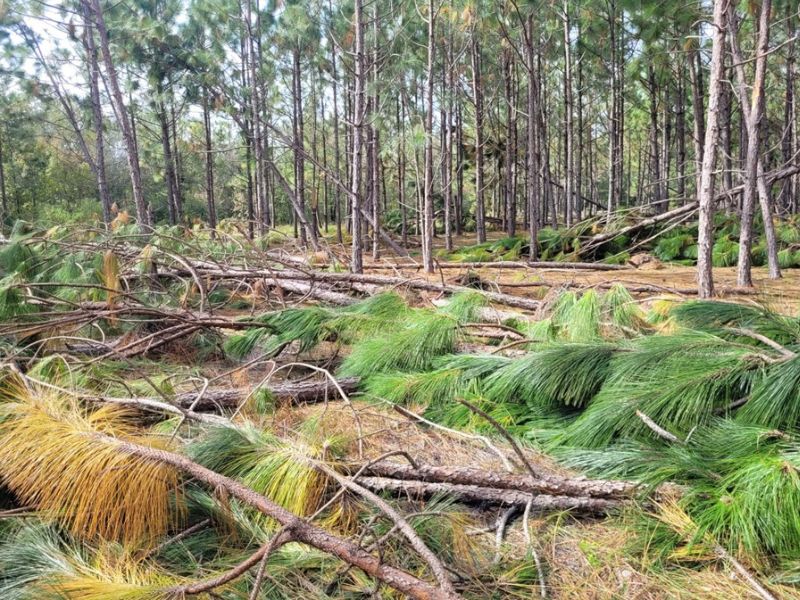
After Hurricane Helene: How to Claim Timber Casualty Losses and Defer Taxes on Salvage Timber Sales
As of October 21st, 2024, 91 Georgia counties have been declared federal disaster areas (DR-4830-GA) eligible for individual and/or public assistance.
08.13.2024
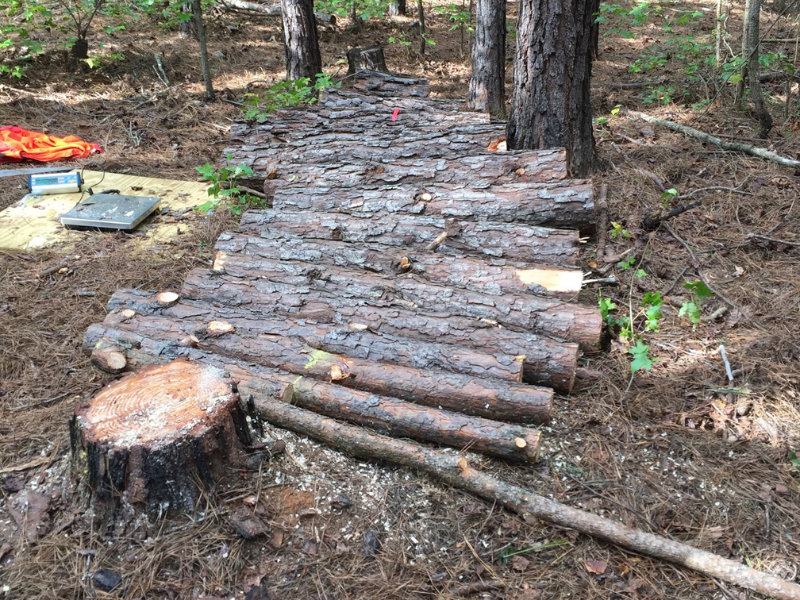
Rethinking Green Density: What New Research Means for Southern Pine Forestry
In the southeastern United States, loblolly and slash pines are the economic backbone of the forest industry. Many mills and landowners use weight-based systems for their loblolly and slash timber transactions. However, converting between weight and volume requires accurate green density values, but how accurately are we estimating their green weight and volume?
07.01.2024
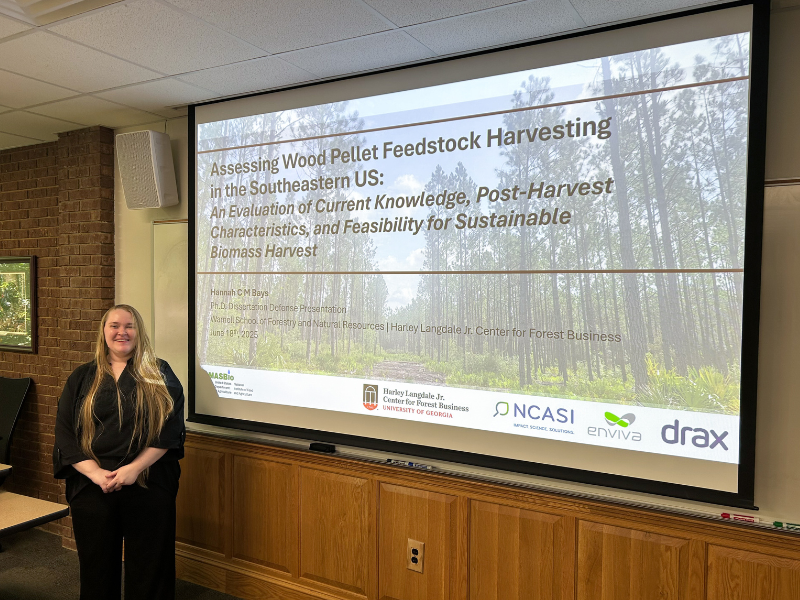
Assessing the Sustainability of Forest Biomass Harvesting in the Southeastern U.S.: A Review
As European renewable energy goals drive up demand for wood pellets, the southeastern U.S. has become a key supplier. But are our forests ready? A recent UGA research paper in Biomass and Bioenergy offers a comprehensive review of the environmental impacts of forest biomass harvesting, especially for wood pellet production.
05.25.2024
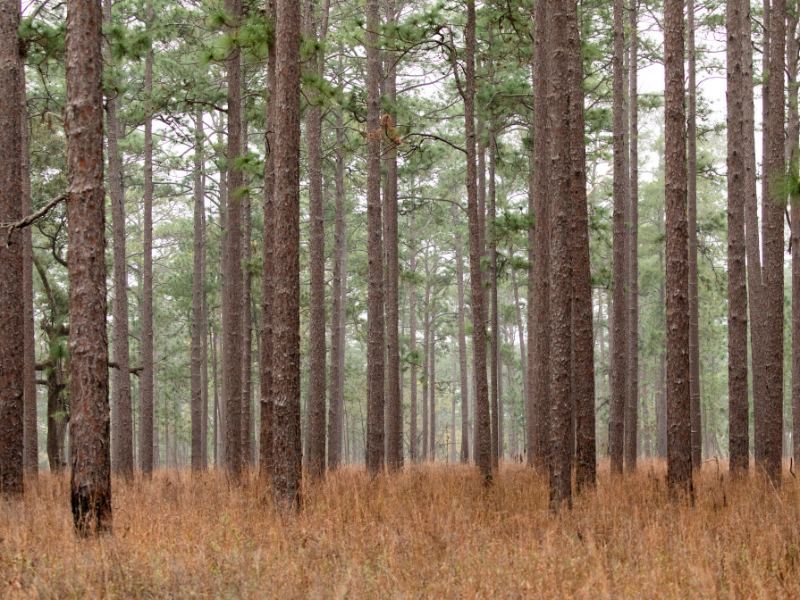
The Hidden Cost of Ignoring Terminal Value in Forest Planning
In timberland valuation and harvest planning, one often-overlooked factor can make or break your bottom line: terminal value. A new study by Silva et al. (2024) shows that failing to account for the value of unharvested timber at the end of a planning horizon can lead to significant undervaluation.
03.21.2024
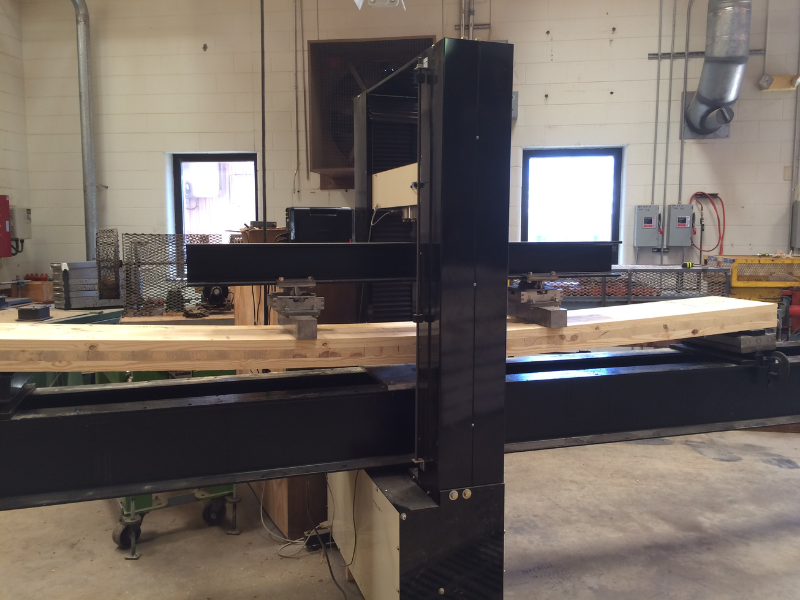
Enhancing Wood Property Prediction with Machine Learning and Synthetic NIR Data
As mass timber construction continues to rise, artificial intelligence tools like machine learning can help ensure the right wood goes in the right place—making buildings safer, more sustainable, and more cost-effective. A 2024 study addresses this challenge by using artificial intelligence to generate synthetic data to augment and improve existing datasets and results.
03.08.2024
Georgia Sawtimber Prices Held Steady in Q4 2023
Pine sawtimber and chip-n-saw stumpage prices in Georgia stabilized during the fourth quarter of 2023 following three consecutive quarters of decline. However, pine pulpwood stumpage prices continued to fall during the quarter.
03.05.2024
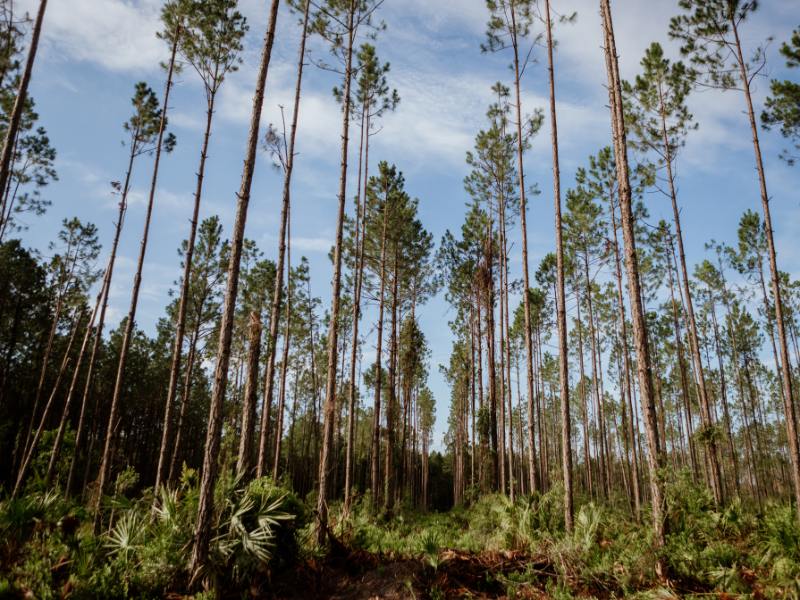
Improving thinned loblolly, longleaf and slash pine stand growth with a herbicide or a fertilizer treatment – making the right choice
Thinned loblolly, longleaf and slash pine stands often respond to a woody competition control treatment and/or a fertilizer treatment. Deciding which treatment may be the best choice depends on several factors.

12.19.2023
New Tech for Timber: Imaging Wood Disks to Reveal Hidden Variability
In forestry, understanding wood variability and quality is key to producing high-quality lumber and fiber products. A new study by Dr. Sameen Raut and Dr. Joe Dahlen demonstrates how image analysis, as opposed to destructive sampling, can accurately assess wood variability in longleaf pine.
10.02.2023
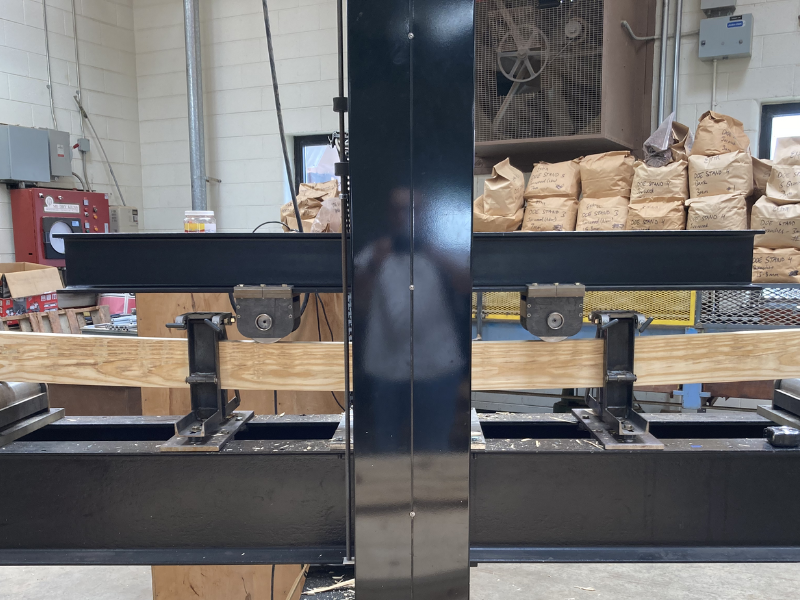
Mapping Wood Stiffness with Ultrasonic Precision
Understanding wood stiffness is essential for producing high-performance lumber and engineered wood products. A 2023 study led by Dr. Joe Dahlen and colleagues offers a practical breakthrough: using ultrasonic velocity as a reliable, lower-cost proxy for traditional measurement techniques.
08.28.2023
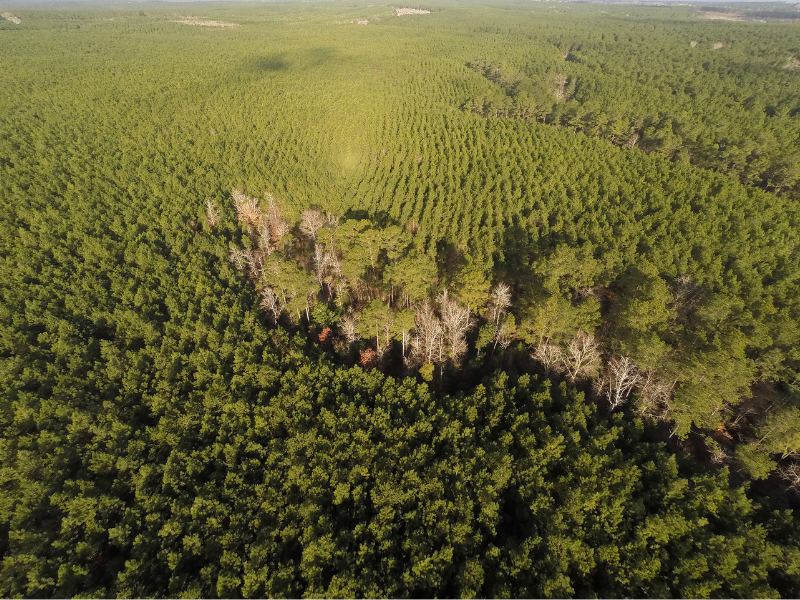
Timberland Transaction Costs: Insights for Forest Industry Professionals
Timberland has become a cornerstone of institutional investment portfolios, but what about the hidden costs of buying and selling these assets? A recent study by Dr. Andy Hiegel, Dr. Jacek Siry, and other researchers surveyed over 100 timberland professionals to uncover the true cost of timberland transactions.

