


Many forested wet flats across the U.S. South face a management challenge: these stands are too wet for conventional full-tree harvesting equipment and too small to justify the higher costs associated with specialized shovel logging systems. As a result, timber is often left unmanaged and unrecovered from wet sites. New research evaluated whether cut-to-length (CTL) harvesting systems, which have low ground pressure and good trafficability in wet conditions, offered a cost-competitive solution.

07.08.2026
A Review of Economics as a Driver of Forest Landscape Change and Management Strategies
New research by Pete Bettinger and collaborators Bruno da Silva, Jacek Siry, Stephen Kinane, and Krista Merry explores how forest landscapes have evolved since settlement and the answer is clear: forests are shaped as much by economics as by ecology. The findings reinforce the argument that when landowners have opportunities to generate income from their forests they have a stronger incentive to keep forests as forests. Early forest use focused on short-term timber extraction and land changes for agricultural expansion. Over time, rising timber demand, increasing prices, and concerns about timber scarcity led to a shift toward long-term forest management and investment-oriented forestry.

04.23.2026
Latest Research Confirms that Wood Pellet Feedstock Harvesting Adheres to Best Management Practices
A common question in our timber industry is whether the rising demand for wood pellets impacts our soils and water quality differently than traditional pulpwood harvesting. A recent study in the Journal of Soil and Water Conservation (Bays et al., 2026) led by the Center for Forest Business evaluated BMP effectiveness for pellet harvests at 75 sites across the SE Coastal Plain. The study confirmed that our current forestry BMPs are sufficient to protect our natural resources and that the southeastern US wood pellet industry is operating sustainably within established environmental frameworks.
12.10.2025
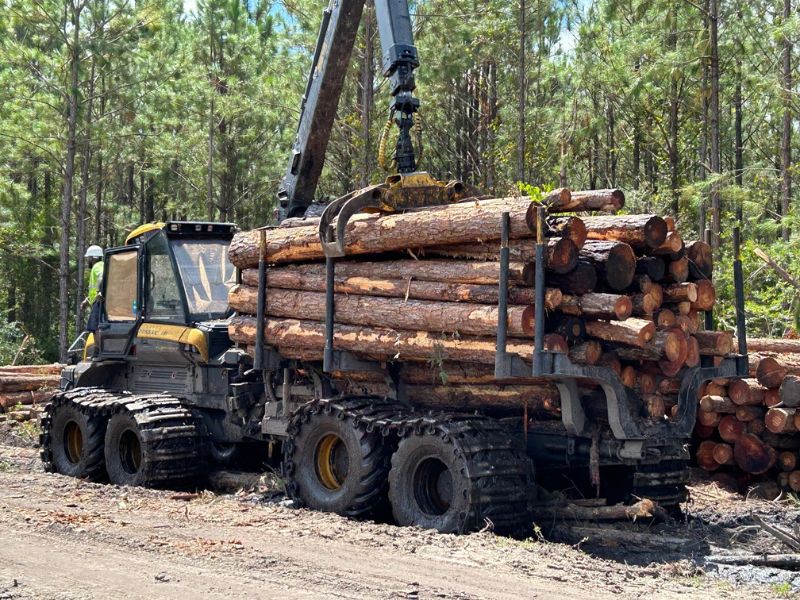
Cut-to-Length Harvesting: When it Works and What’s Holding It Back
A recent scientific review by Bolding et al. highlights the evolution of cut-to-length (CTL) harvesting systems and why their adoption outside Scandinavia remains limited. Despite advanced features including optimized bucking, GIS-based harvest planning and mapping, machine-to-machine communication, and LiDAR-assisted thinning, CTL faces hurdles in regions like the US South where full-tree systems dominate.
06.01.2025
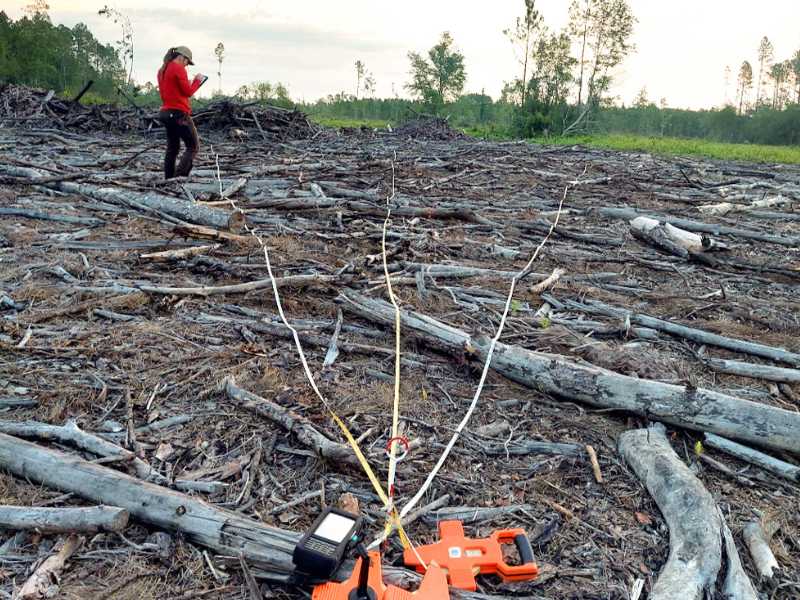
Is Wood Pellet Harvesting Sustainable? New Research Says Yes.
With the southeastern U.S. supplying over 80% of America’s wood pellets—most of which are exported to Europe—questions about the sustainability of pellet feedstock harvesting are more relevant than ever.
05.06.2025
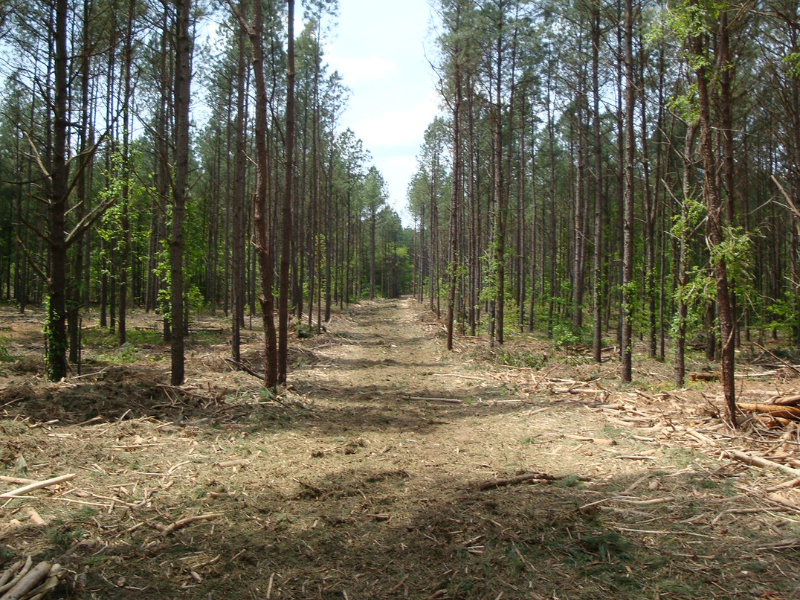
Evaluating the Environmental Impact of Pellet Feedstock Harvesting in the Southeastern U.S.
A new study by UGA researchers compared 67 harvest sites across the southeastern U.S. to evaluate whether wood pellet feedstock harvesting differs from conventional pulpwood operations in terms of soil disturbance, ground cover, and wildlife habitat.

Professor, Landscape Planning and Harvest Scheduling
Leon "Buddy" Hargreaves Jr. Distinguished Professor in Forest Management


Associate Dean for Research; Professor and Langdale Endowed Chair in Forest Business

Associate Professor of Forest Operations

