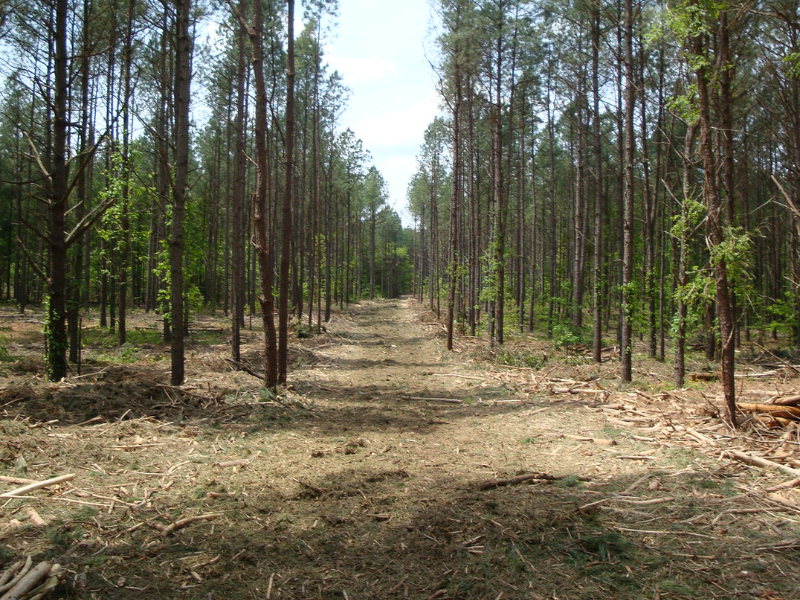
Timberland management is a long-term investment shaped by biological growth, market dynamics, and strategic decisions. One silviculture option, fertilization stands out as a key treatment with the potential to enhance productivity and financial returns. However, Dr. Bruno da Silva and fellow researchers from the Center for Forest Business found that fertilization outcomes are uncertain, and this uncertainty complicates decision-making for landowners and investors.

02.26.2025
Empowering Forest Carbon Decisions: What the Latest Research Means for the Forest Sector
Forests are increasingly recognized as vital players in the global climate solution. A recent study supported by Drs. Bronson Bullock and Stephen Kinane convened over 100 experts to identify the biggest gaps in forest carbon modeling.
08.13.2024
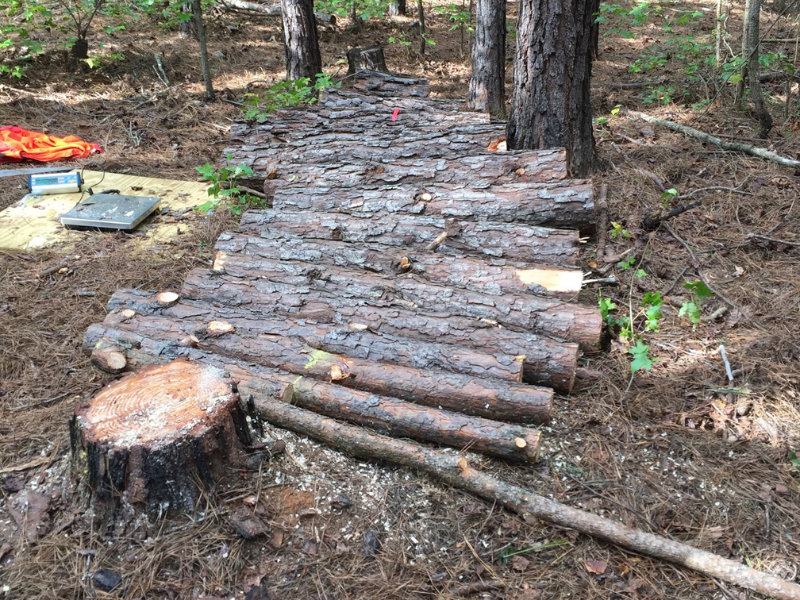
Rethinking Green Density: What New Research Means for Southern Pine Forestry
In the southeastern United States, loblolly and slash pines are the economic backbone of the forest industry. Many mills and landowners use weight-based systems for their loblolly and slash timber transactions. However, converting between weight and volume requires accurate green density values, but how accurately are we estimating their green weight and volume?
03.05.2024
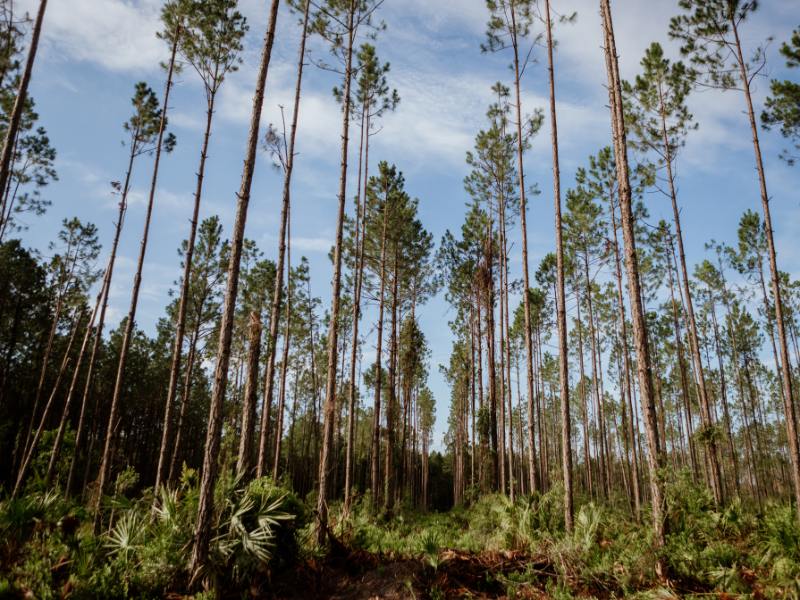
Improving thinned loblolly, longleaf and slash pine stand growth with a herbicide or a fertilizer treatment – making the right choice
Thinned loblolly, longleaf and slash pine stands often respond to a woody competition control treatment and/or a fertilizer treatment. Deciding which treatment may be the best choice depends on several factors.
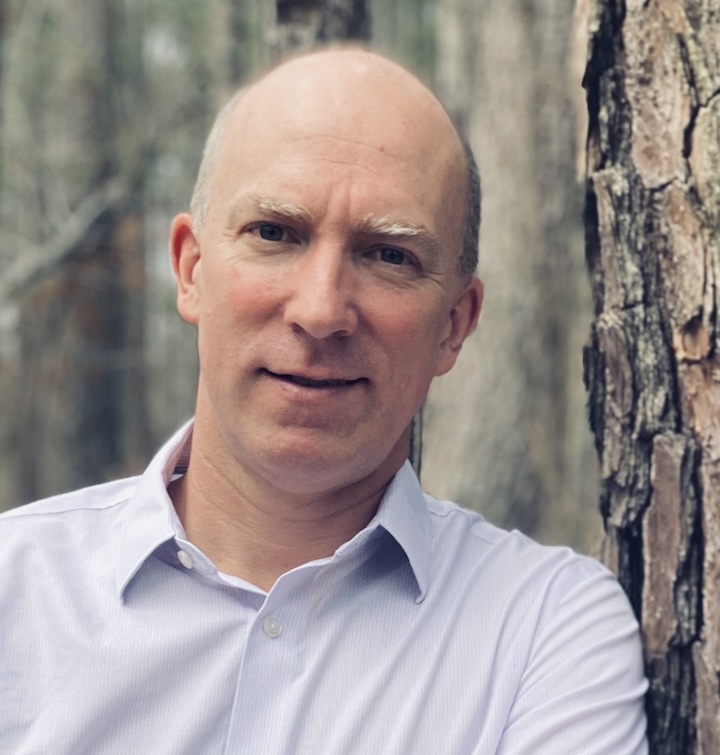
Dr. Bronson P. Bullock
Professor, Forest Biometrics & Quantitative Timber Management / Director, Plantation Management Research Cooperative (PMRC)